hilleloffice@whjps.jcat.co.uk 020 8882 6487

Writing

Vision

At Wolfson Hillel, we believe writing is a powerful tool for thinking, learning and communication. Through a knowledge‑rich curriculum rooted in high‑quality literature, pupils develop the confidence and skill to express ideas clearly, reason critically and write with purpose across all subjects. Expository writing sits at the heart of our approach: from Year 1 to Year 6, lessons are carefully sequenced and explicitly taught to help children organise their thinking, build strong reasoning skills and achieve excellent literacy outcomes.

Using the structured principles of the Hochman Method, we teach writing through explicit instruction, guided practice and purposeful application. This enables pupils to communicate with precision, fluency and creativity in both speech and writing. Our curriculum nurtures thoughtful, articulate and confident writers who are fully prepared for the demands of secondary education and beyond.

How we teach writing

In EYFS, the focus is on establishing strong foundational skills within writing.

This includes the development of:

  • Fine and gross motor skills
  • Listening to stories
  • Developing vocabulary
  • Speaking in full sentences
  • Phonic knowledge
  • Knowledge of tricky words
  • Mark making and early writing
  • Understanding of print
  • Creativity, confidence and motivation

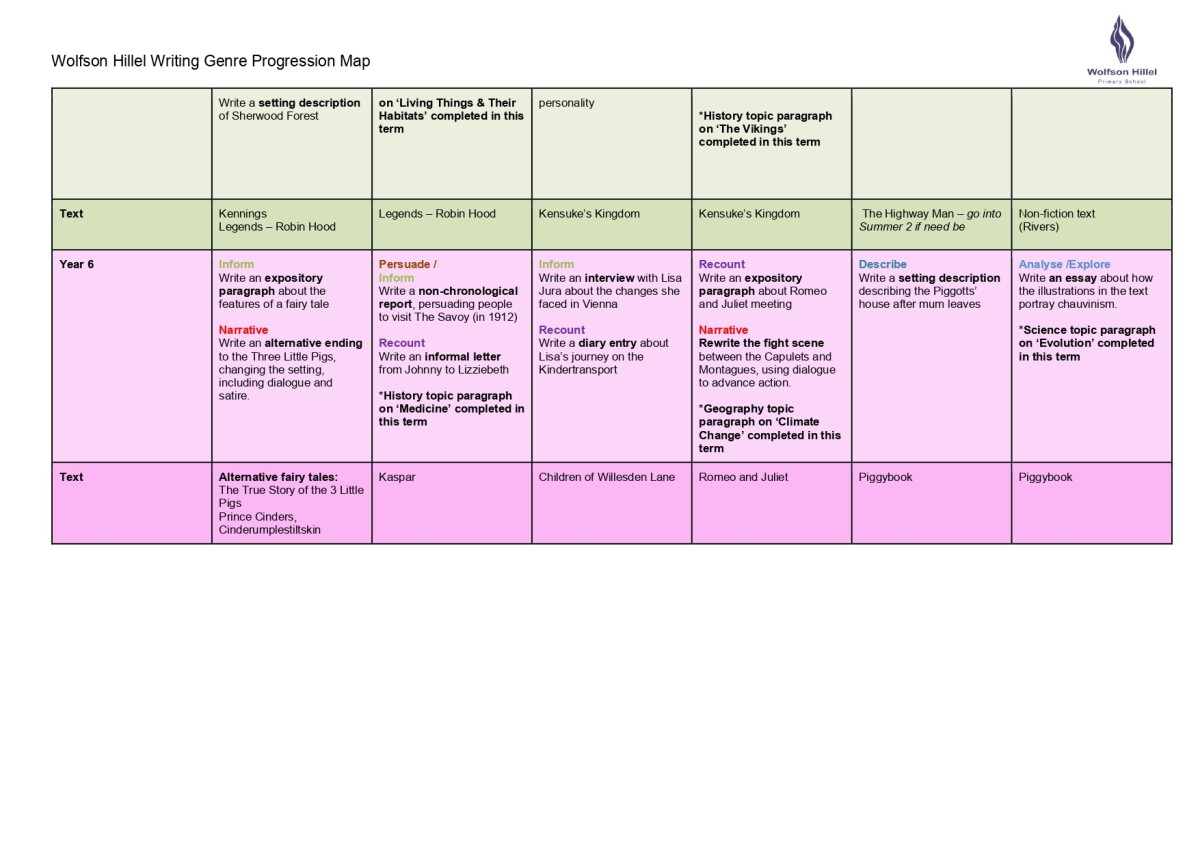
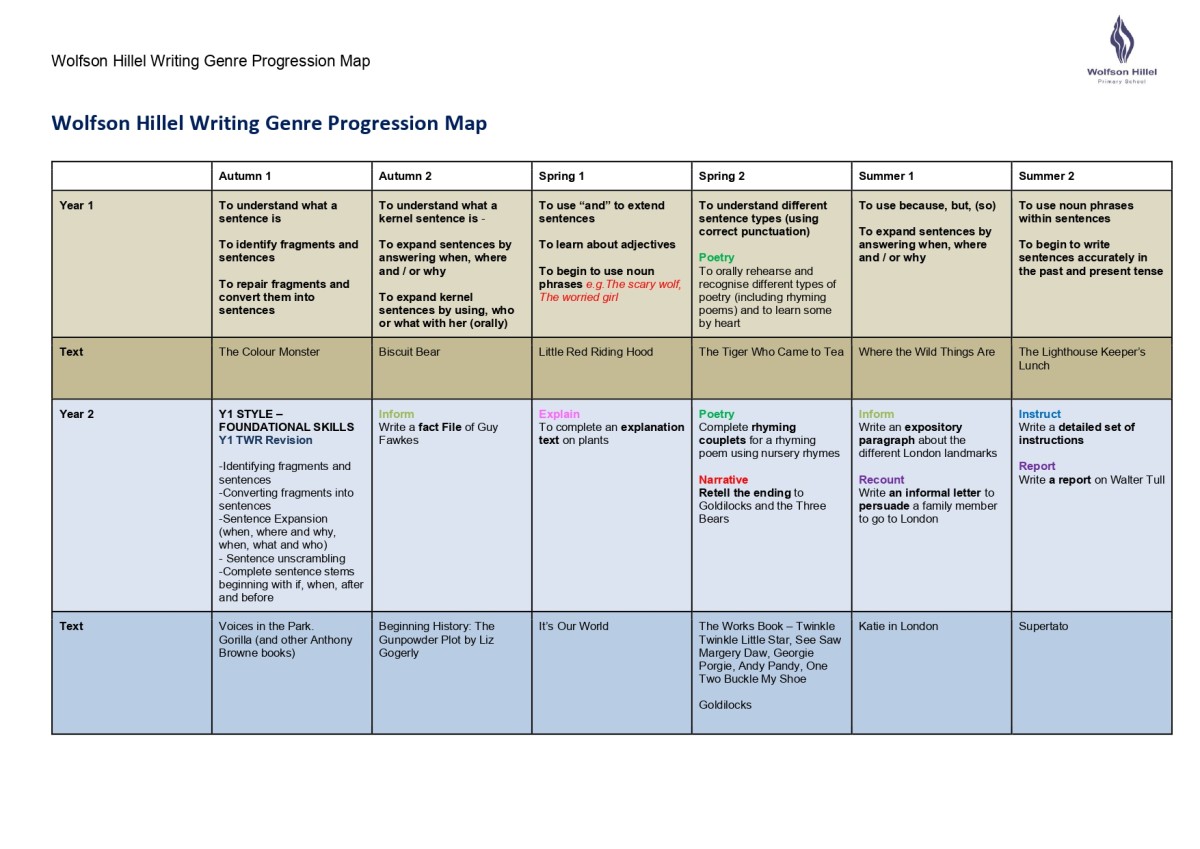
From KS1 onwards, we follow the principles of the Hochman Method for expository writing to deepen thinking across the curriculum. There is an emphasis on explicit instruction and gradual progression to longer writing, ensuring sentence level writing is secure first.

From Year 2 onwards, both creative and expository writing is taught through a range of text types (e.g., narrative, non-fiction, poetry, persuasion, explanation).

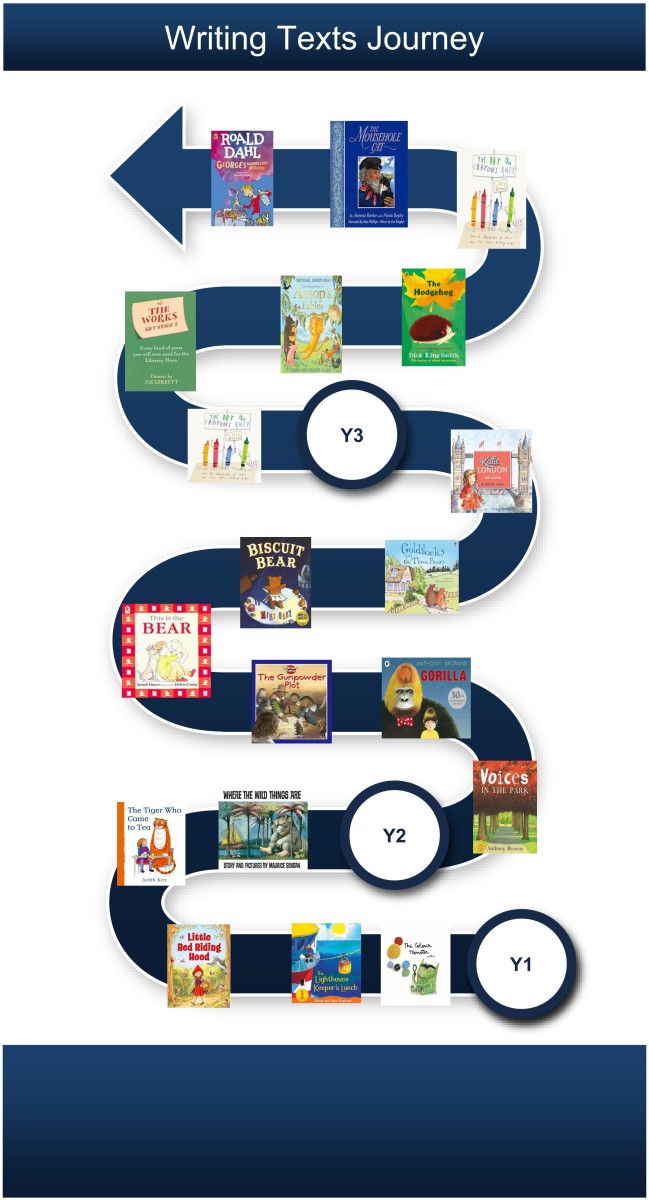
Each unit is built around a high-quality stimulus such as:

  • A book or extract
  • A short film or animation
  • An image, poem, or real-world event


  • Text types are repeated and built upon over the KS1 and KS2 curriculum.
    Children receive four writing lessons per week, ensuring regular practice and spaced learning.
    Daily writing lessons follow a consistent structure.
    Children are taught in smaller groups to allow targeted instruction.
  • Lessons begin with a short, focused warm‑up (e.g., sentence combining, sentence expansion, vocabulary work).
  • Teachers model writing explicitly, thinking aloud to show the writing process.
  • Pupils practise skills through carefully designed tasks before applying them in longer writing.
  • Feedback is verbal and immediate, specific, actionable and allows for the children to independently improve their work.
  • Children encounter stories and information that broaden their understanding of the world and celebrate diversity.
  • Handwriting is taught through our Kinetic letters scheme from EYFS to Year 6 which focuses on both the physical skills and cognitive processes needed for writing.

How we ensure progress in writing for all pupils

All children are expected to think hard about the content, structure and purpose of their writing. Lessons ensure every pupil participates. Strategies include:

  • Cold‑call and whole‑class response.
  • Partner talk and shared drafting.
  • Scaffolded tasks that gradually reduce support.
  • High expectations for all learners, with adaptations made to ensure everyone can access the curriculum.

Activities promote deep thinking, such as:
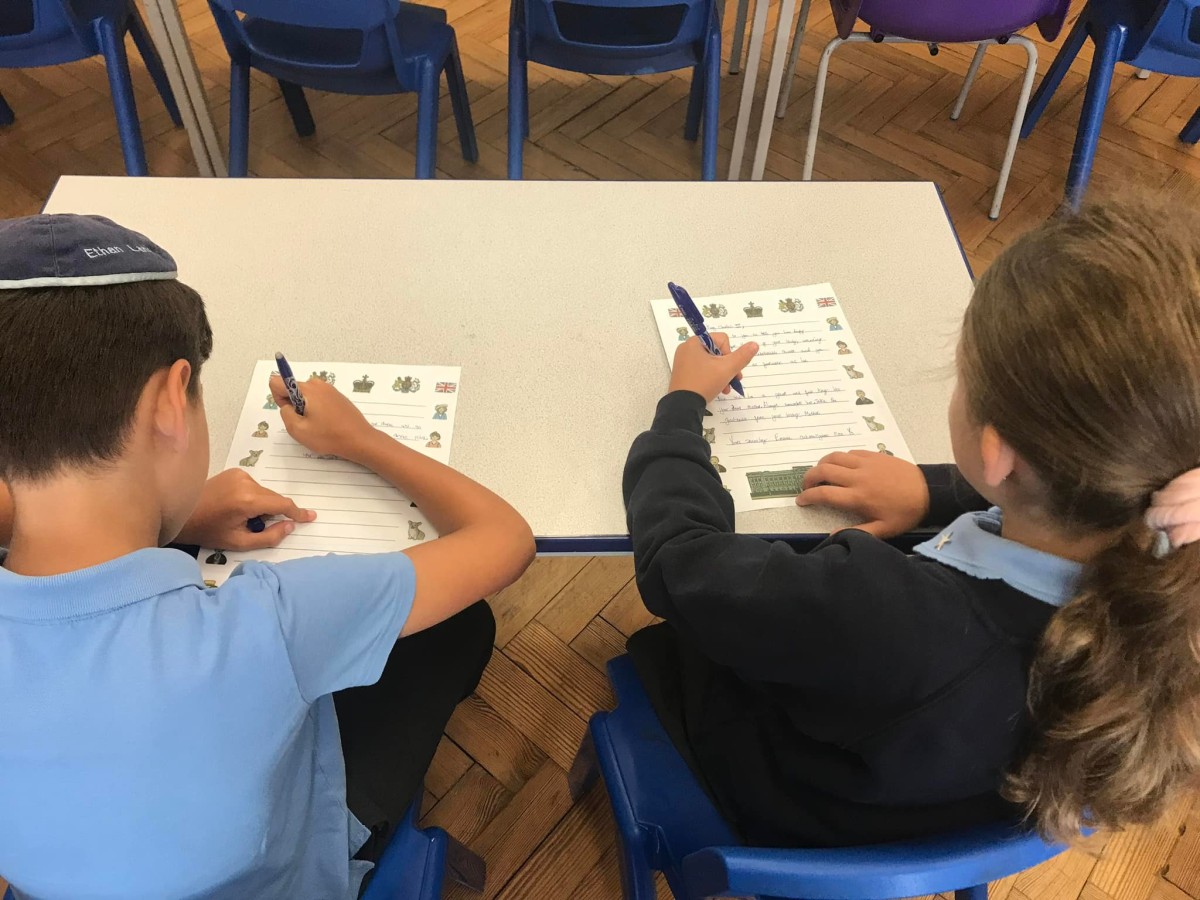
  • Sentence combining
  • Sentence expansion
  • Note‑making and summarising
  • Paragraph construction using clear frameworks


  • Frequent, purposeful practice ensures skills become secure and transferable.
  • A carefully sequenced curriculum revisits key concepts repeatedly, helping pupils build strong, durable schemata.
  • Writing skills progress from sentence‑level to extended compositions, with clear expectations for each year group.
  • Regular opportunities for guided practice, independent writing and structured feedback ensure steady improvement.
  • High‑quality modelling shows pupils how to think and write, making the writing process visible.
  • Targeted support and challenge ensure every pupil can access the curriculum and move forward.
  • Teachers use consistent, child-friendly marking codes to guide self-editing and reflection
  • Pupils respond to marking during dedicated editing time, strengthening independence and ownership of improvement.
  • Retrieval tasks at the start of each lesson strengthen memory and ensure new learning builds on secure foundations.
  • Misconceptions are identified early through questioning, discussion and short tasks.
  • Teachers use ongoing assessment—verbal responses, hinge questions, written work—to understand what pupils have grasped.
  • Lessons are adapted in real time to address gaps or extend learning where needed.
  • Regular review of writing outcomes ensures pupils stay on track and receive timely intervention.