At Wolfson Hillel Primary School, we believe reading is the key to unlocking learning and opportunity. We strive to ensure every child becomes a fluent, confident reader who reads with understanding, curiosity and enjoyment. Through a structured, high-quality curriculum and the systematic teaching of early reading, pupils develop strong foundations in literacy while fostering a lifelong love of books and storytelling. We work in partnership with families to nurture independent readers who are prepared to succeed across the curriculum and beyond.
EYFS / Key Stage 1
All Nursery, Reception, Year 1 and Year 2 staff are fully trained in the delivery of Little Wandle phonics, ensuring consistency and expertise across the provision.
Our high-quality phonics teaching is underpinned by seven key principles:
Children are prepared for the statutory Phonics Screening Check in Year 1 through daily phonics teaching together with a variety of word games and activities
In Year 2, children build upon phonics foundations by developing their understanding of spelling patterns and rules, supporting their transition towards fluent reading and accurate writing, through the Little Wandle scheme.
Little Wandle guided reading takes place in Reception, Year 1 and Year 2. The children are split into 5 small groups. The children are taught in these 5 groups twice a week. Each session begins by consolidating the phonics that will be appearing in the book. The sessions focus on teaching: decoding skills, prosody and comprehension.
Key Stage 2
Twice weekly reading lessons allow pupils to discuss and analyse texts in more depth, provide opportunities for independent reading, as well as hearing quality texts read aloud.
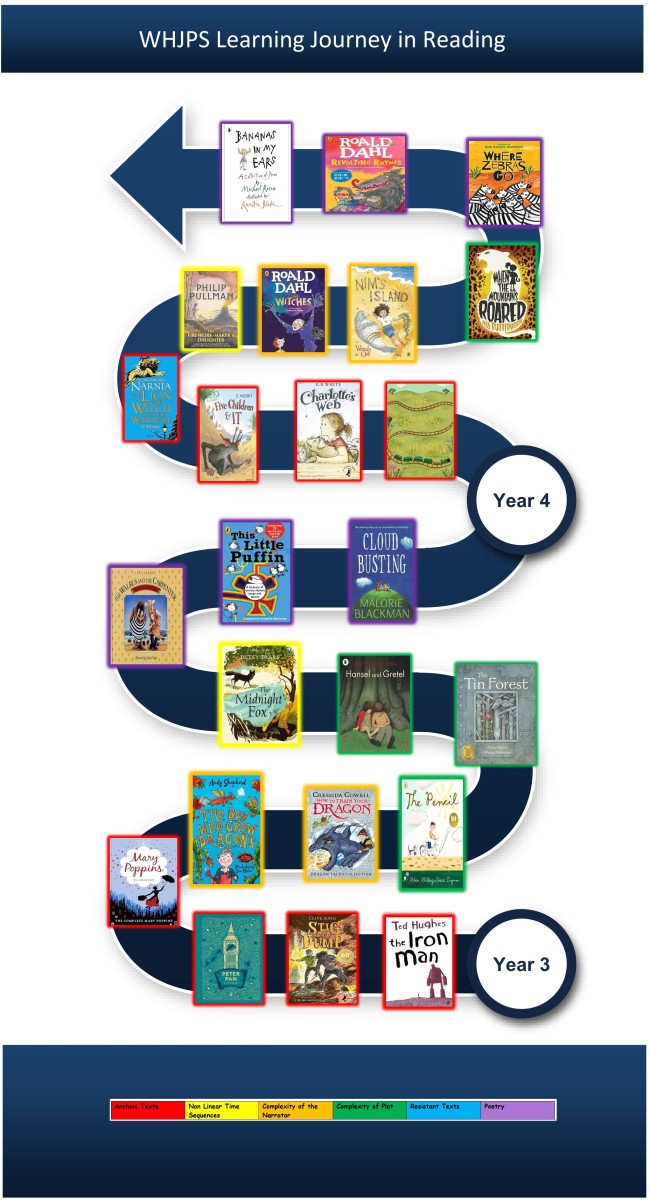
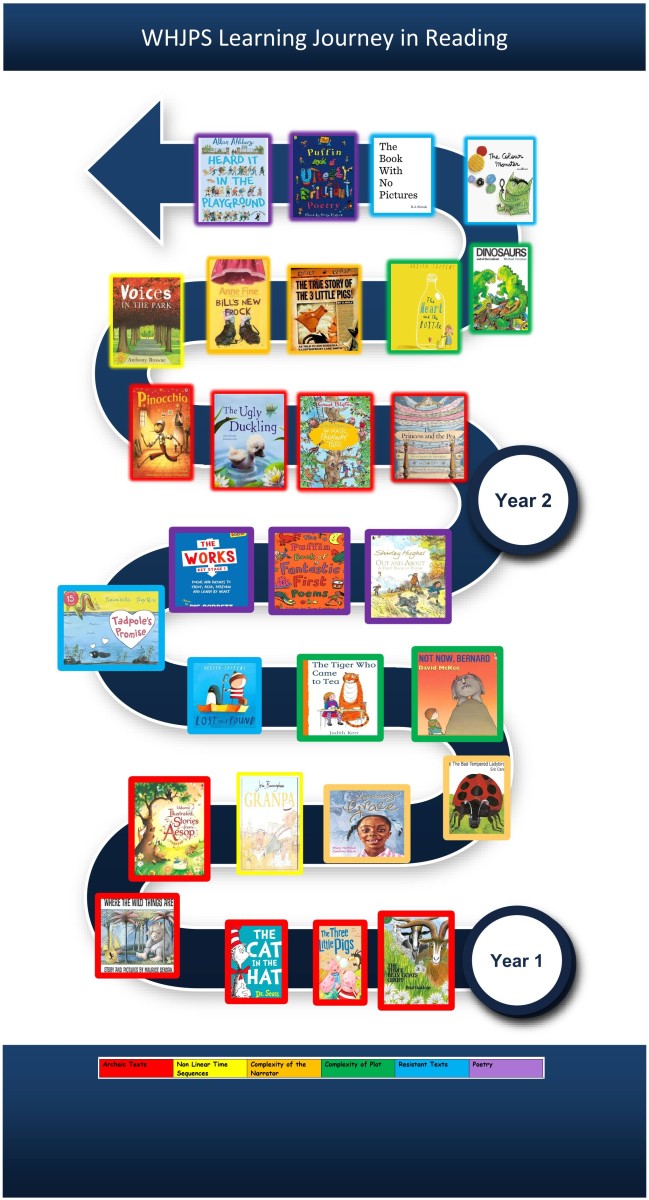
All classes enjoy being read to daily by staff during their snack time. Pupils will have the opportunity to hear a range of age-appropriate books from our specially selected Reading Spine.
Texts included in the Reading Spine promote diversity and cover a range of topics.
Teachers and parent helpers hear pupils read regularly, asking them a range of questions about the passages they have read.
Children who have been identified as needing extra reading support are included in a teacher-led weekly fluency and decoding reading group where their reading level is carefully matched to a text and they are supported in a group. Children then take home their book to practise over the week.
All children have a weekly visit to the school library where they can browse and borrow books.
Our Reading curriculum is designed around Word Reading (Decoding,) Fluency, Language Comprehension, Vocabulary Development, Inference and Interpretation, Authorial Intent and Text Structure, Reading for Pleasure and Engagement and Critical Thinking and Response.
Our reading curriculum is carefully designed around a set of key concepts which are revisited and developed progressively over time. Through regular repetition within guided reading lessons, pupils build secure schemata that enable them to connect new learning to prior knowledge, deepening understanding and strengthening long-term retention of concepts.
Responsive teaching and regular ongoing assessment ensure that teachers have a clear understanding of pupils’ reading development so that misconceptions and gaps in learning can be quickly identified and addressed. This is achieved through ongoing assessment within guided reading lessons, regular fluency assessments, and termly reading comprehension assessments.